First Generation – Sakuzaemon Sakamoto
(Born March 5, 1817)
Founded the workshop during the late Edo period, traditionally believed to date back to the Bunka era (1804–1818).
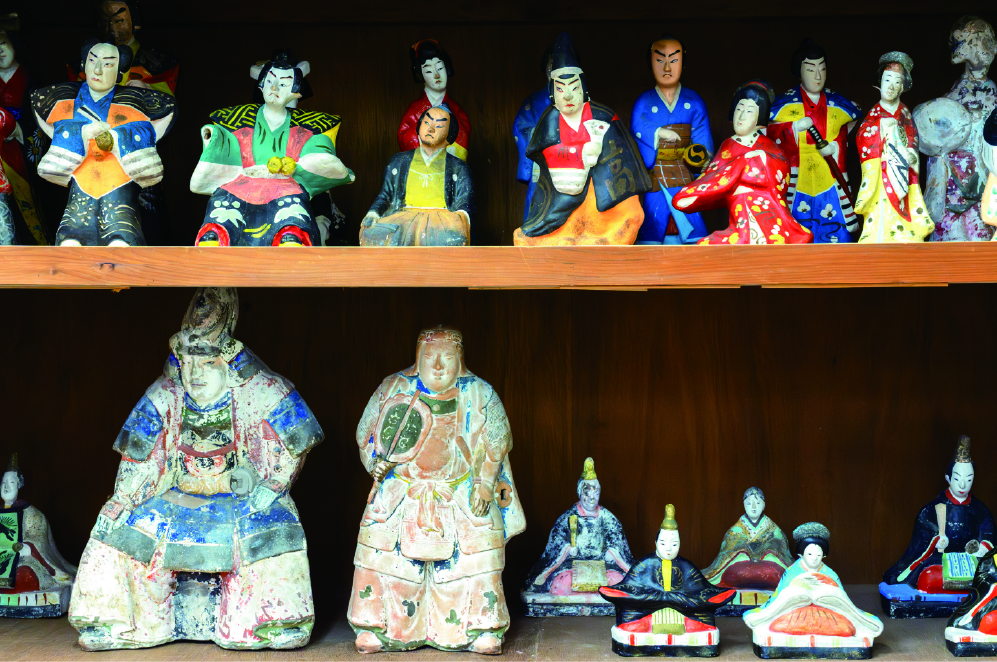
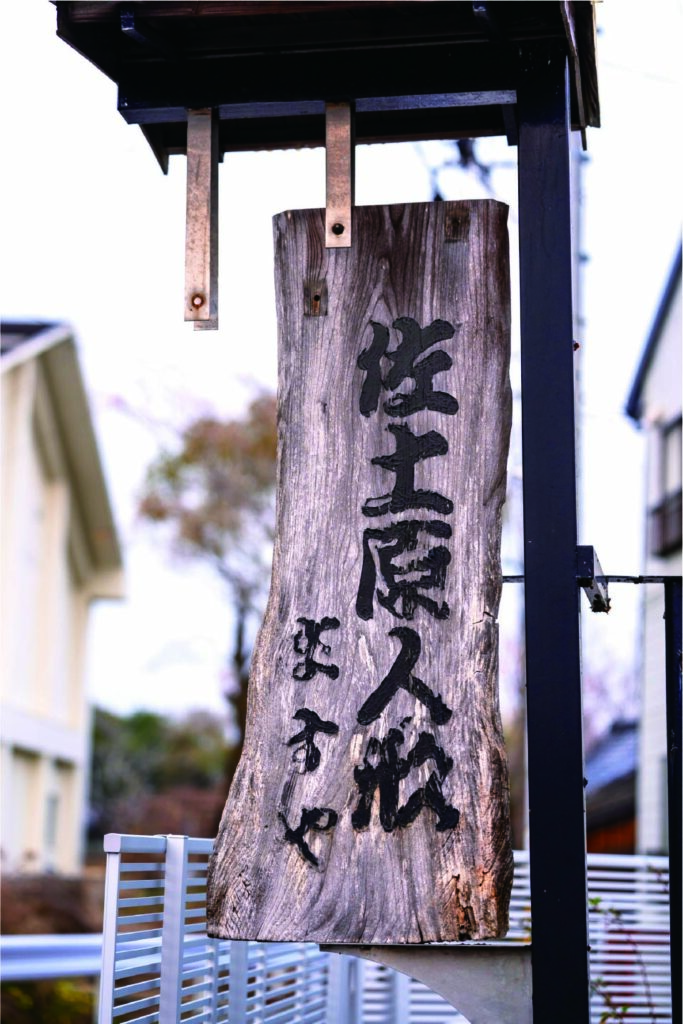
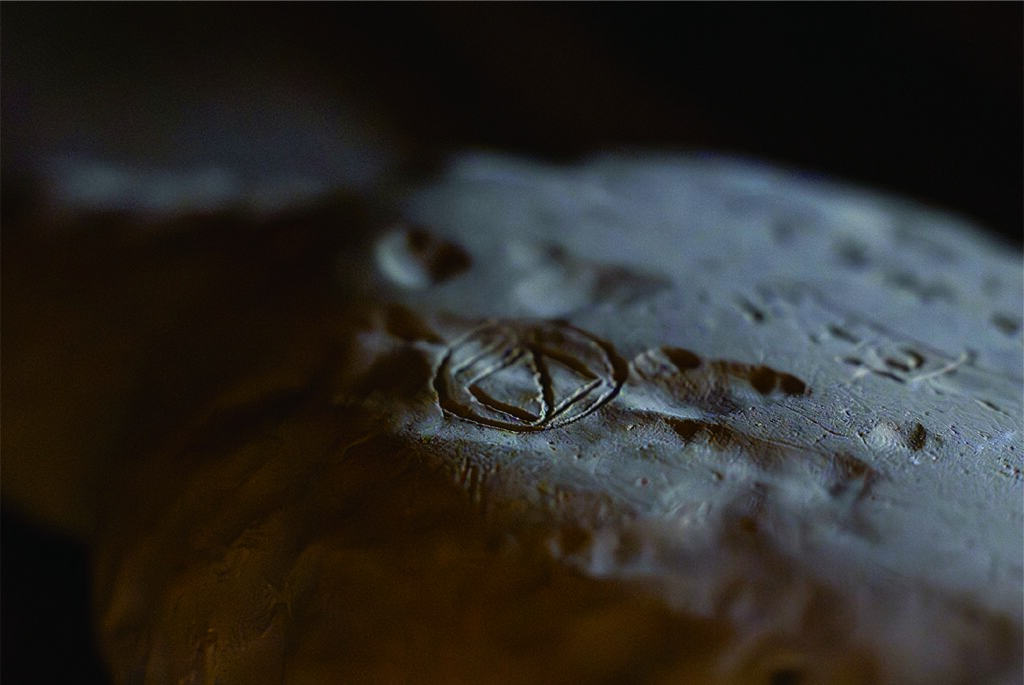
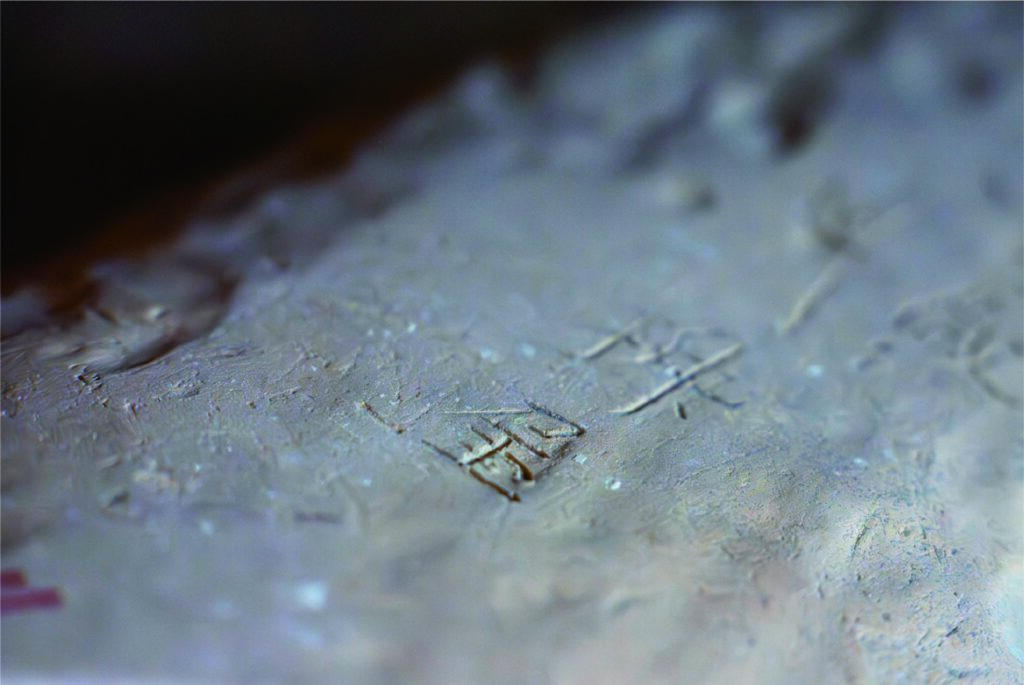
The Sakamoto family is said to have once operated a sake brewery. The workshop name, “Masuya,” is believed to derive from the masu—the traditional wooden measuring box used for serving and measuring sake. Many old doll molds still bear the inscription “Masuya”on their backs, preserving a connection to this earlier chapter of the family’s history.
Although no documents or tools related to the brewery have survived, the name Masuya has been passed down through generations alongside the tradition of doll making.
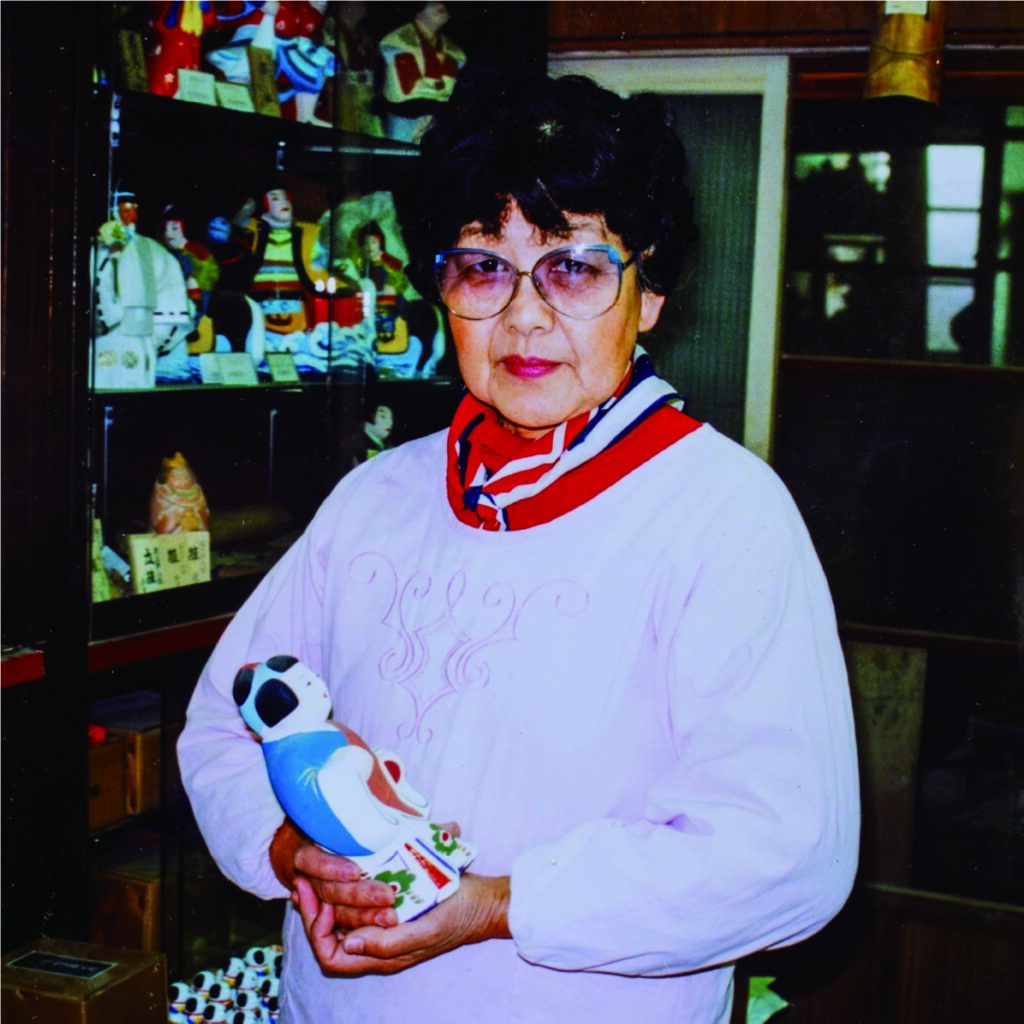
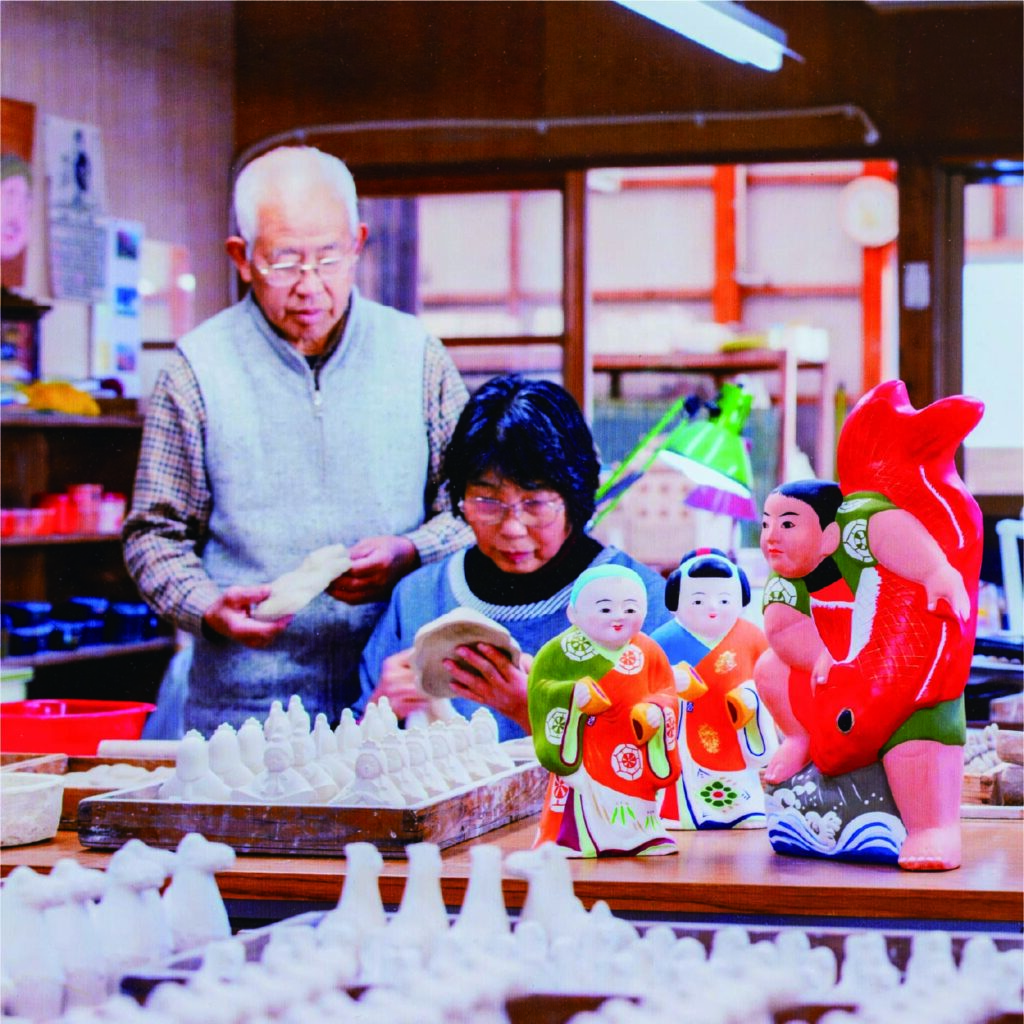
“Rather than creating dazzling dolls that attract attention at first glance, I want to create dolls whose charm and character reveal themselves the longer you look at them.”
These words, spoken by Kazuko Iwakiri, the fifth-generation successor, embody the philosophy that continues to guide Masuya today.
Our dolls are created not merely as ornaments, but as companions to everyday life—bringing warmth, comfort, and quiet beauty to ordinary moments. By celebrating simple scenes and familiar emotions, we strive to create dolls that enrich daily life and grow more meaningful with time.
First Generation – Sakuzaemon Sakamoto
(Born March 5, 1817)
Founded the workshop during the late Edo period, traditionally believed to date back to the Bunka era (1804–1818).
Second Generation – Kanejiro Sakamoto
(Born December 30, 1837)
Third Generation – Hyozaburo Sakamoto
(Born December 5, 1877)
Known for creating the present-day version of the famous Manju-Eating Girl by adapting an earlier Fushimi-style doll.
Fourth Generation – Mori Ueda
(Born February 22, 1899)
Niece of the third-generation master, Hyozaburo Sakamoto.
Fifth Generation – Kazuko Iwakiri
(Born September 30, 1920)
Daughter of the third-generation master, Hyozaburo Sakamoto.
Began producing Sadowara Dolls in 1966 and played a central role in preserving the tradition through the postwar era.
Sixth Generation – Kanetji Sakamoto
Son of the third-generation master, Hyozaburo Sakamoto.
Produced Sadowara Dolls from 1995 to 2019 and carried on the tradition.
Seventh Generation – Miwa Shimonishi
Produced Sadowara Dolls from 2019 to 2025.
Eighth Generation – Yumiko Sakamoto
Wife of the sixth-generation master, Kaneji Sakamoto.
Worked on the production of Sadowara Dolls from 1995 to 2019 and returned to the craft in 2025.
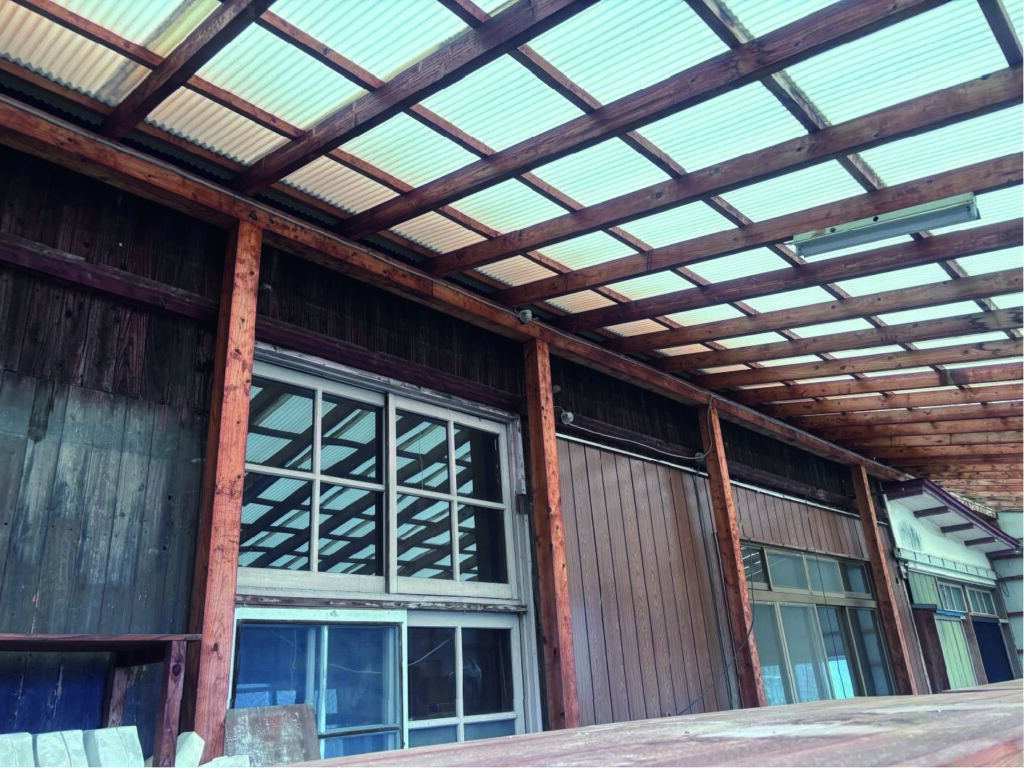
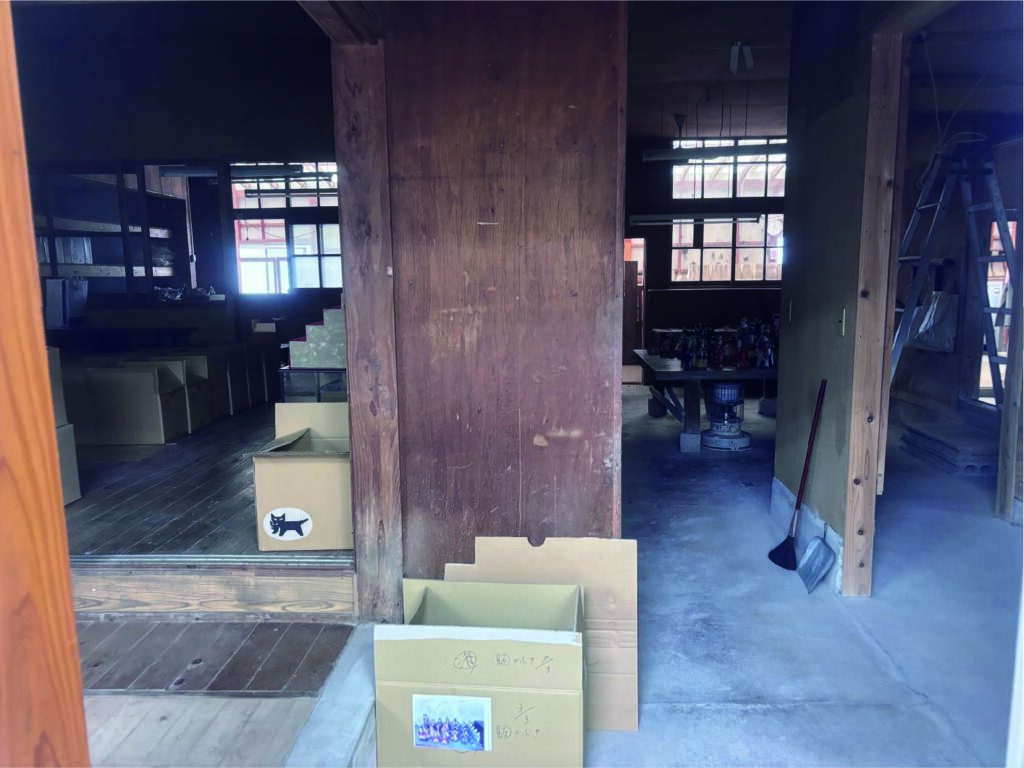
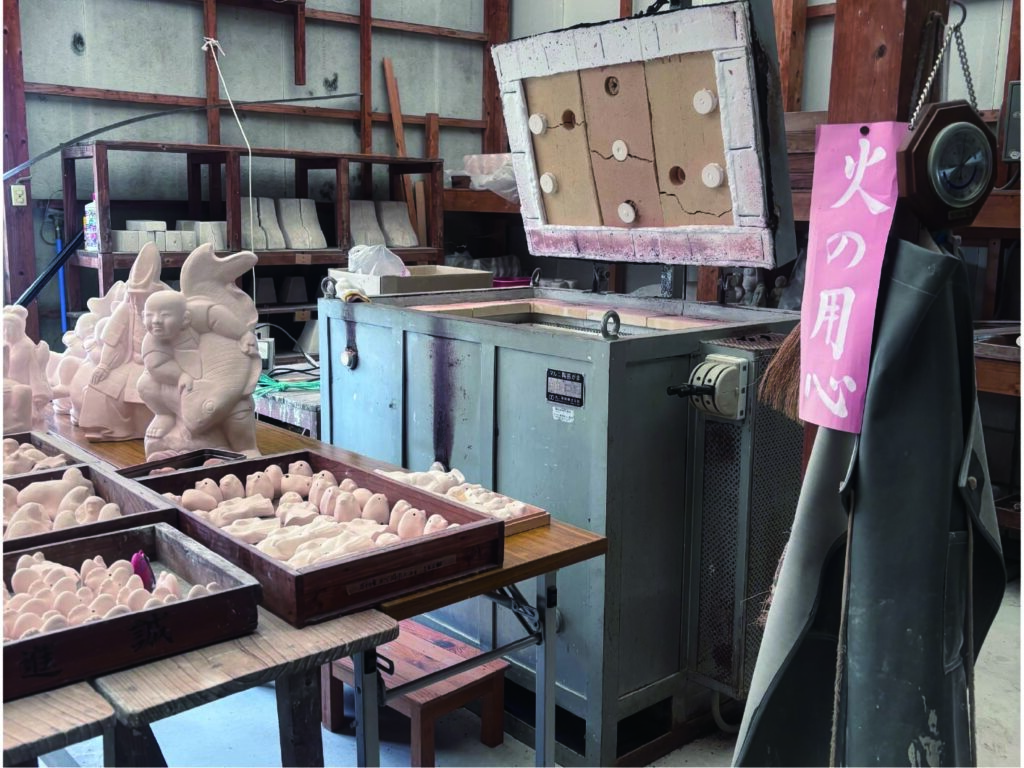
At the heart of the workshop stands a wooden school building that was originally constructed in 1895 (Meiji 28), making it approximately 130 years old.
When Sadowara Elementary School in Miyazaki replaced its original wooden schoolhouse with a modern building, Kazuko Iwakiri, the fifth-generation successor of Masuya, purchased a portion of the old structure and relocated it to serve as the doll workshop.
The building was carefully divided along the section beside its decorative windows and transported to its current location using a traditional building-relocation technique known as hikiyā—the practice of moving an entire structure without dismantling it.
Over the years, additional living and workshop spaces were added, making the original schoolhouse section less visible from the outside. However, if you look up from the street, you can still see the upper portion of the historic school building that remains preserved today.
In the summer of 2025, a structural assessment conducted by architectural specialists confirmed that the building’s original framework—including the attic structure—remains remarkably sound and robust, a testament to the quality of its construction and the care with which it has been maintained over the decades.
At the same time, we are carefully reconsidering how best to preserve and utilize the property for the future, taking into account the overall safety, maintenance, and long-term sustainability of the buildings.
While certain sections may be reduced or reorganized over time, we are committed to preserving the historic workshop that has been passed down since the era of the fifth-generation proprietor.
We are also planning improvements to the shop, exhibition space, and hands-on painting workshop area, creating an environment where more visitors can discover, experience, and enjoy the unique world of Sadowara Dolls.
Information regarding construction work, renovations, and future developments will be announced on this website and through our Instagram account.